


Saturn
Using the HEQ5+MC102/1300+ASI224MC setup, I’ve been recording Saturn. Some stack contain the best 5% of 10k frames. And I present a compositing process, showing Tethys, Dione, Rhea, Enceladus and maybe Mimas.
(tovább…)
Saturn
Using the HEQ5+MC102/1300+ASI224MC setup, I’ve been recording Saturn. Some stack contain the best 5% of 10k frames. And I present a compositing process, showing Tethys, Dione, Rhea, Enceladus and maybe Mimas.
(tovább…)

NGC 6823
It appears that 17×6 minutes at ISO 1600 are barely a start for this nebulosity. I used my N 150/750, Baader MPCC Mark III, Canon 1100D mod, HEQ5, aided by the IDAS LPS D2 filter. I acquired the lights from Dângău Mare, Cluj county. I personally, call this nebula by an indecent word, much like the sword of Orion. NGC 6820 is the little, yellowish nebula hiding in front of the larger, mainly red complex.
NGC 6823, Col 405 [open cluster+nebula in Vul] 7.1m ø12′ [wiki] [simbad] 750mm, 800mm, 1000mm, 1200mm, 1500mm
NGC 6820, Col 404, SH2 86 [nebula in Vul] ø0.5′ [wiki] [simbad] [photo-planner]

Messier 11, the Wild Duck Cluster
I imaged the Messier 11 Wild Duck Cluster, using the N 150/750, Baader MPCC Mark III, IDAS LPS D2, Canon 1100D mod, HEQ5 setup. I recorded 16×3 minutes of light at ISO 1600, on the night of 2018-08-07-08, from Dângău Mare, Cluj county.
M 11, NGC 6705, Mel 213, Col 391 [open cluster in Sct] Wild Duck Cluster, Vadkacsa-halmaz, Roiul Raței Sălbatice 5.8m ø13′ [wiki] [simbad] 750mm, 800mm, 1000mm

Sharpless 112
Using the good old setup, N 150/750, Baader MPCC Mark III, Canon 1100D mod with the IDAS LPS D2 filter, HEQ5, I took 15×4 minutes of the Sharpless 112 nebula in Cygnus. Would have taken more, had the Moon not risen. This nebula deserved more attention, it has a fairly high surface brightness, it’s not that small, being comparable to the Tulip nebula. But SH2-112’s neighborhood literally outshines it – just think about the North America Nebula, the Crescent Nebula, the Sadr Nebula, the Propeller, not to mention the Veil complex. I couldn’t even find a proper name for this object. I imaged from Dângău Mare, Cluj.
Sharpless 112, SH2-112 [H II nebula in Cyg] 8m ø15′ [simbad] 750mm, 800mm, 1000mm, 1200mm

Saturn
From very bad to almost good seeing conditions, it was everything in just a few seconds. I used the N 150/750 on the HEQ5 with the ASI 224 MC camera.
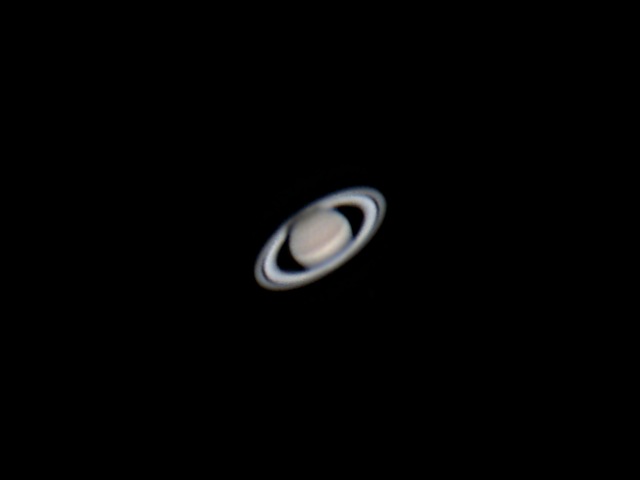
Another processing approach
It is the first light of my new ASI 224MC camera. It is a much much much much much more comfortable world than the Scopium camera – although the latter has been battle tested, and it grew to my heart inspite of its limitations. 10000 frames, Gain=349 Exposure=0,01. I used the SW MC 102/1300 with a barlow, mounted on the HEQ5.

Mars, 2018-08-02 22:13Z

the raw stack, as it came out of autostakkert

Just before the Sun got lost
I imaged the lunar eclipse, as much as the clouds allowed me to. The main instrument was the Canon 1100D mod @ SW MC 102/1300 on the HEQ5. The secondary instrument was the battle tested veteran raspberry pi, and I used a Canon A800 too, and my phone.

clouds, moon, eclipse

clouds, moon, eclipse

the Sun is going out

the Sun is going out

the Sun is going out
Just before the Sun got lost

the upper layers of our atmosphere must be blue

around the maximum

exiting the shadow
I recorded the Moon for three hours in order to capture the shadows get shorter, and mountains get into the light. The clouds were not my friend, so I kept four frames out of the 32 I recorded. I used the Skywatcher MC 102/1300 tube with the Scopium webcam, mounted on the HEQ5.

4 frames

the two extremes
I tested the new filter (the DSLR clip in version) from within the city (many, too many Sodium and LED lights). I used the following:
Canon 1100D mod,
Canon EF 200mm f2.8L II USM,
HEQ5,
ExposureTime – 15 seconds
FNumber – 3.50
ISOSpeedRatings – 1600

the field of view, Saturn is the green circle

idas lps d2 design

clear, original

clear, edited as best as I could

with the filter, orig

with the filter, edited as best as I could

NGC 6960, 12×4 min
This is the first light of the IDAS LPS D2 filter (the DSLR clip in version) I added to my toolkit. Using the Canon 1100D mod, I imaged 12×4 minutes at ISO 1600 with the N 150/750, Baader MPCC Mark III, HEQ5 setup, from Gyerőfidongó, Kolozs county.
